Cost Optimization: Automation Architectures Against Bloatware and Systemic Inefficiency
Real cost optimization demands an engineering approach: dismantling expensive, inflexible integrator-platform subscriptions and migrating to low-code multi-agent orchestration systems.
 Jose Luis Romero · Process Mining Expert
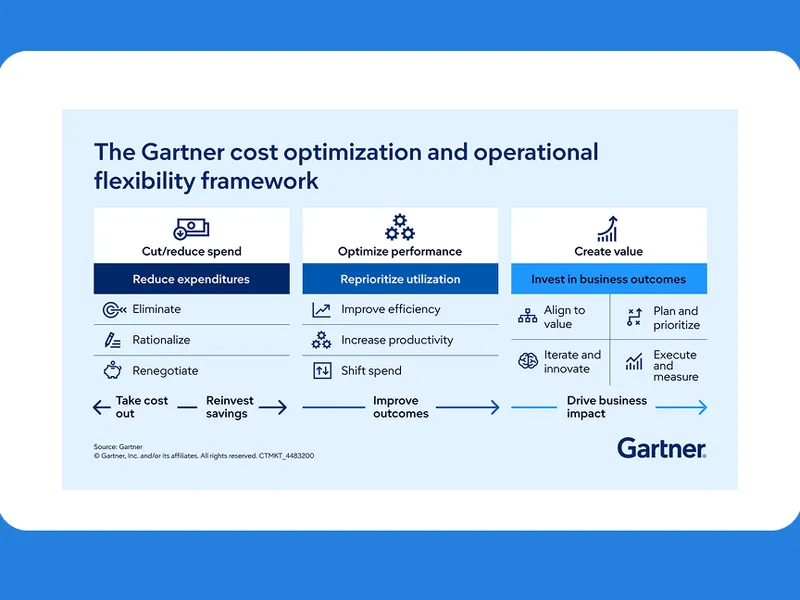
Gartner conservatively estimates that up to 30% of enterprise software spend is pure waste. Yet when the mandate to “optimize costs” arrives, most boardrooms’ gut reaction is to execute a tactical amputation: cut the ad budget or lay off junior analysts. That’s not optimization; it’s revenue strangulation.
The real financial drain in B2B isn’t the number of tools — it’s the thermal friction generated by a monolithic data architecture dependent on “out-of-the-box” integrations. Real cost optimization demands an engineering approach: dismantling expensive, inflexible integrator-platform subscriptions and migrating to low-code multi-agent orchestration systems.
The “Integration Tax” and Data Silos
The average B2B ecosystem is paralyzed by “SaaS bloatware.” Companies acquire enterprise-grade CRMs, expensive engagement platforms, and massive enrichment databases. The critical pain point emerges when these tools need to talk to each other.
Traditional platforms force teams to pay a double “integration tax”:
- Seat-based pricing models: force you to buy expensive licenses for operational staff whose only function is to audit data or move information between interfaces.
- Native API limitations: direct integrations between SaaS platforms tend to be rigid, forcing teams to adapt their business processes to the software’s logic instead of adapting the software to the company’s revenue model.
The result is an operations team drowning in hidden manual work (downloading CSVs, cleaning databases) and severe lead decay, which directly erodes conversion rate.
Decentralizing the Workflow
The solution to systemic inefficiency isn’t buying “the one tool that does everything” — it’s building proprietary middleware that centralizes business logic and decentralizes execution. The stack gets refactored into three infrastructure layers.
1. Universal Ingestion and Routing Layer (n8n)
Costly volume-based iPaaS connectors get replaced with logic nodes in n8n. This layer captures payloads through custom webhooks the millisecond an interaction is generated (a form submission, a webinar interaction, an email open). It enables complex real-time data transformations (ETL) without the variable cost tied to per-“zap” or per-task billing from other providers.
2. Triage and Probabilistic Reasoning Layer (Microsoft Copilot Studio)
Raw data is rarely actionable. Instead of brittle boolean rules, the flow is fed into an AI agent. Copilot evaluates the lead’s intent based on browsing history and submitted data, extracts key entities, and scores the contact against an Ideal Customer Profile (ICP) model autonomously.
3. Deterministic Execution Layer (Power Automate)
Once the AI agent has structured and validated the information, the process returns to a deterministic environment. Power Automate receives the structured command and safely executes CRUD (Create, Read, Update, Delete) operations within the corporate ecosystem: updating records in SharePoint or Dynamics, triggering specific nurture sequences, or pushing critical alerts to Business Development Managers’ communication channels.
Use Case: Frictionless Account-Based Marketing (ABM) Qualification Engineering
Let’s ground this in a high-complexity B2B scenario: account-based prospecting (ABM) and RFP (Request for Proposal) intake.
The traditional scenario: in a bloated environment, a prospect downloads a technical whitepaper. The marketing automation platform sends a generic email. Three days later, an SDR reviews the CRM, manually looks up the company on LinkedIn to validate its size, discovers it’s a high-value prospect, and tries to reach out. High operating cost, unacceptable response speed.
The optimized architecture (n8n + OpenAI/Anthropic APIs):
- Trigger: the prospect submits the form. An n8n webhook captures the information instantly.
- Enrichment node: n8n automatically calls a company database API (e.g., Clearbit or Apollo) to retrieve the account’s annual revenue and tech stack.
- RAG qualification node: the unified JSON is passed to Copilot Studio, which cross-references this data with the company’s scoring matrices. It determines the prospect uses legacy technology compatible with the company’s services.
- Action node: Power Automate takes over: enrolls the user in a hyper-specific retargeting campaign, creates the formal opportunity in the CRM, and issues a priority ticket with an executive account summary directly to the sales lead’s private channel for immediate manual follow-up.
The result: 0% human intervention in the research phase, 100% data-transfer accuracy, and a radical reduction in the need for operational SaaS licenses.
Infrastructure Is Your Only Advantage
Auditing software contracts is the surface level of the financial optimization Gartner is describing. The real competitive advantage lies in dismantling operational barriers through systems engineering. If your team spends more time operating the software than executing go-to-market strategy, your architecture is costing you more than your licenses are.
At Cloud360, we structure, design, and deploy advanced orchestration infrastructures that eliminate data silos and automate the most critical bottlenecks in the B2B pipeline. The first step to stopping the resource hemorrhage is diagnosing the technical root cause.
Request a technical audit or schedule an architecture workshop with our engineers to map your first autonomous system and transform your operational efficiency.